

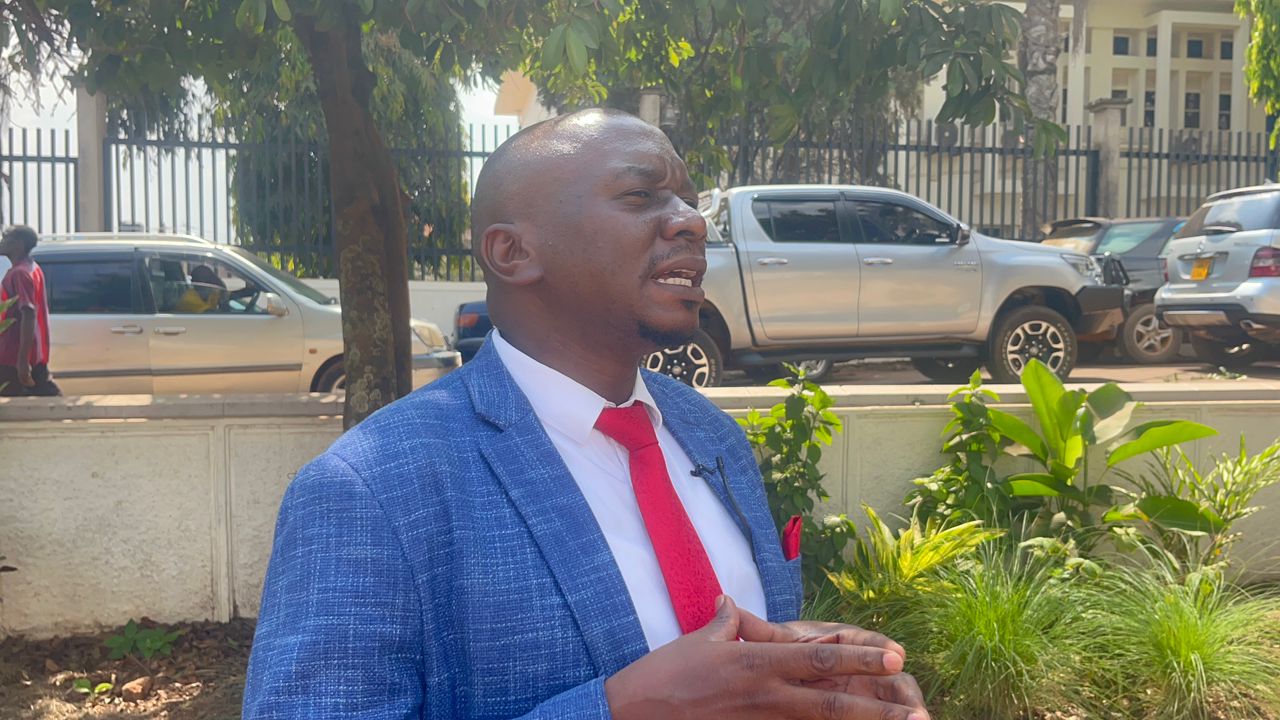
Fresh questions have emerged over the nomination of Walukagga following claims by lawyer Michael Kintu regarding the academic documents submitted to the Electoral Commission.
Kintu argues that the nature of the academic certification presented at nomination directly determines the extent of the Electoral Commission’s authority to scrutinise a candidate’s qualifications.
He explains that if Walukagga submitted a Senior Six equivalence certificate, the Commission would have no legal mandate to re-examine or interrogate the underlying academic records used to obtain that certification.
However, Kintu maintains that a different legal position applies if a mature entry certificate was submitted. In that case, he says, the Electoral Commission would have full authority to assess and verify the supporting academic documentation presented by the candidate.
“The key issue is the type of qualification that was presented,” Kintu said. “An S.6 equivalence certificate limits the Commission’s power to interrogate the documents, but a mature entry certificate gives the EC the power to do so.”
Kintu further questioned how Walukagga’s nomination was assessed and approved, raising concerns about whether the candidate met the legally required academic qualifications at the time of nomination.
“This raises serious questions,” he said. “How did the Electoral Commission assess his nomination process, and how was he approved if he had no academic qualifications?”
The Electoral Commission has consistently maintained that it follows the law and established procedures when vetting candidates.
Under Uganda’s electoral laws, candidates are required to present prescribed academic qualifications, and the Commission’s role is to verify compliance based strictly on the documents submitted during nomination.
Legal analysts say the dispute is likely to hinge on clarifying which qualification Walukagga presented and whether the Electoral Commission acted within the limits of its legal mandate.
The matter is expected to attract increased public attention as calls grow for greater transparency and clarity in the nomination process.
By the time of publication, the Electoral Commission had not issued a detailed response to the specific claims raised by Michael Kintu.
